See Every Shipment, Request and Approval
Purchases, dispatches, warehouse steps and delivery problems follow the same steps in every region, with a record of who approved what.
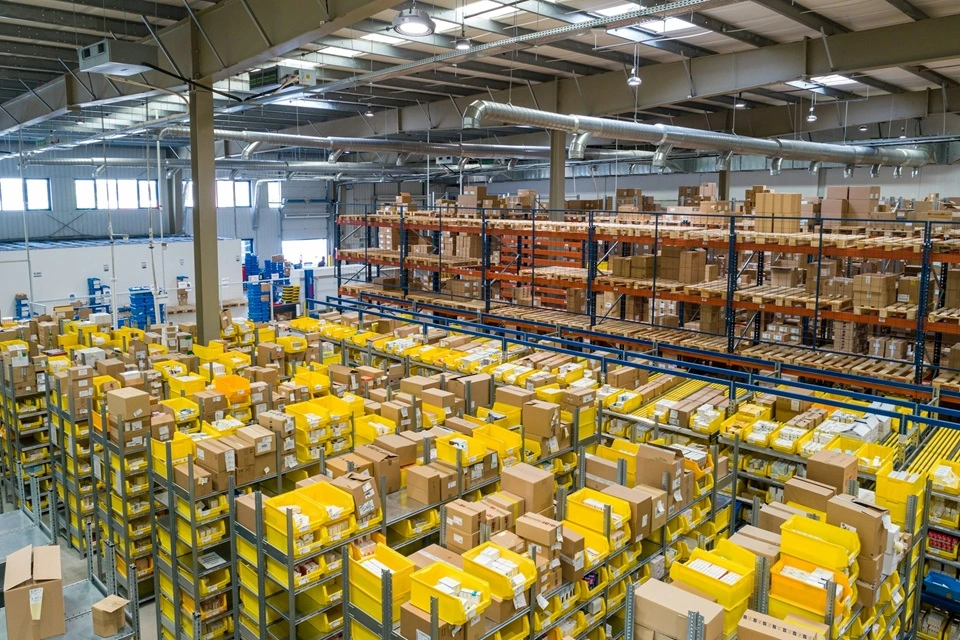
When One Link Slips, the Whole Chain Feels It.
Purchasing, warehouse, transport and delivery all depend on each other. When approvals happen by phone and WhatsApp, deliveries are delayed, costs go up and nobody can see where things stand.
Purchasing, warehouse and transport each work in their own way.
Shipments and purchases are approved by hand.
Delays and problems are handled differently every time.
Schedules, routes and orders change without sign-off.
SOPs are hard to keep the same across regions.
One Way of Working From Purchase to Delivery
APES puts your approval steps and rules into the daily work, so every team and region follows the same steps without anyone having to remember them.
One flow across teams
Purchasing, warehouse and transport follow the same steps from start to finish.
Shipment and dispatch approvals
Shipments and dispatches go through your approval rules before anything leaves.
Purchasing and stock
Material requests, suppliers and stock movements are checked before they are approved.
Delays and problems
Problems go up the right path to the right person, and the outcome is recorded.
What Logistics Teams Run on APES
Example
Shipment planning and dispatch
Today: goods leave before anyone checks the capacity, paperwork or route.
The shipment or dispatch request is raised.
Availability, paperwork and route are checked.
The supervisor approves the release.
The goods go out.
The record is kept.
Example
Purchasing and restocking
Today: stock is ordered without a proper check, and too much sits in the warehouse.
The restock request is raised with the item and quantity.
APES checks it against stock levels and the budget.
The manager approves. Above your limit, it goes up a level.
The order goes out.
The record is kept.
Example
Warehouse and fulfilment steps
Today: steps are skipped when it gets busy, and orders are picked wrong.
Goods are received and logged.
Each step is checked before the next one starts.
The order is picked and packed.
Every step is recorded against the order.
Example
Damaged deliveries and delays
Today: problems are handled by phone call, and the outcome is not written down.
The driver or team logs the problem with details.
A supervisor reviews it, and serious cases go up a level.
The decision is made, such as redeliver, credit or close.
The outcome is recorded against the delivery.
These are examples of how a process can run in APES. Yours is built around your own steps and rules.
Tell Us Where Your Supply Chain Gets Stuck
Share the process and what makes it difficult today. We will show you how it would run in APES.
What Running Your Operations on APES Gets You
Common Questions
Do I need to replace my warehouse or transport system?
No. APES sits alongside the systems you already run and covers the requests and approvals that happen around them.
Can each region or warehouse have its own approvers?
Yes. Roles, locations and approval limits are set up to match how your business is organised.
Do I need a developer?
No. Systems in APES are configured, not coded. Our team sets up the first version with you.
What happens after I get in touch?
Our team contacts you to understand the process and what makes it difficult, then walks you through how it would work in APES.
Every Shipment. Every Approval. The Same Way Every Time.
Tell us the process that causes your operations the most trouble today. We will show you how it would run in APES.
Share Your Process